


Basque Country

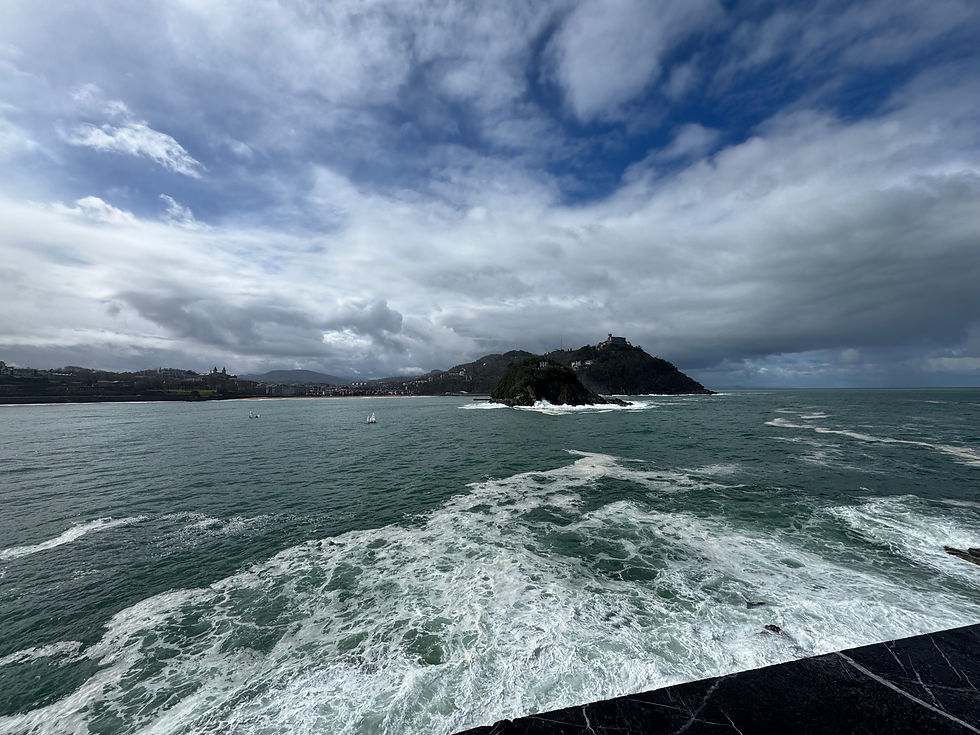
The Basque people have inhabited a small pocket of territory in southwestern Europe for millennia. Through empires, conquest, reconquest, dictatorship, and republics, the Basque nation has remained the one constant on the Iberian Peninsula since time immemorial. The Basque heartland sits on the Northern coast of Spain, along the Bay of Biscay, straddling the border with France where the Pyrenees meet the Atlantic Ocean. They are a proud people, who have clung ferociously to their heritage and their language, even as the modern world has slowly encroached around them over the last two centuries.
My first association with the Basques came in my college days when I played rugby with a university club team in France in the late 1980s. Our fullback was a young, curly headed man named Beñat. He was a Basque from the southwestern French coastal town of Biarritz, on the Atlantic Ocean. It is the heartland of French Basque country. They love rugby there and over the years the French national rugby team—one of the best in the world—has featured Basque players. Beñat would belt out bawdy Basque songs after our games when we gathered with the opposing team to drink beer. I was fascinated from the get-go.

I had long wanted to travel to Spanish Basque country, where the largest percentage (roughly 90%) of the ethnic Basque people live. This winter I was finally able to. But first, some interesting facts about the people and its language. Over 50% of Basque people have type O blood, which is suggestive of isolation from other populations, and of a direct descent from the original inhabitants of Europe. The language, Euskara, is still spoken by about one-third of ethnic Basques. It has been spoken for so long that the words for knife, axe, scissors, and hoe contain the root -aitz, which means stone or rock. This indicates that these words have existed in the spoken language since the Neolithic era, commonly called the Stone Age. There is no known language in Europe, Africa, or the Middle East that is related to the Basque language. The language nearly died off under the Franco dictatorship (1939-75) when teaching it was forbidden and speaking it was frowned upon (much like the Catalan language of Barcelona).
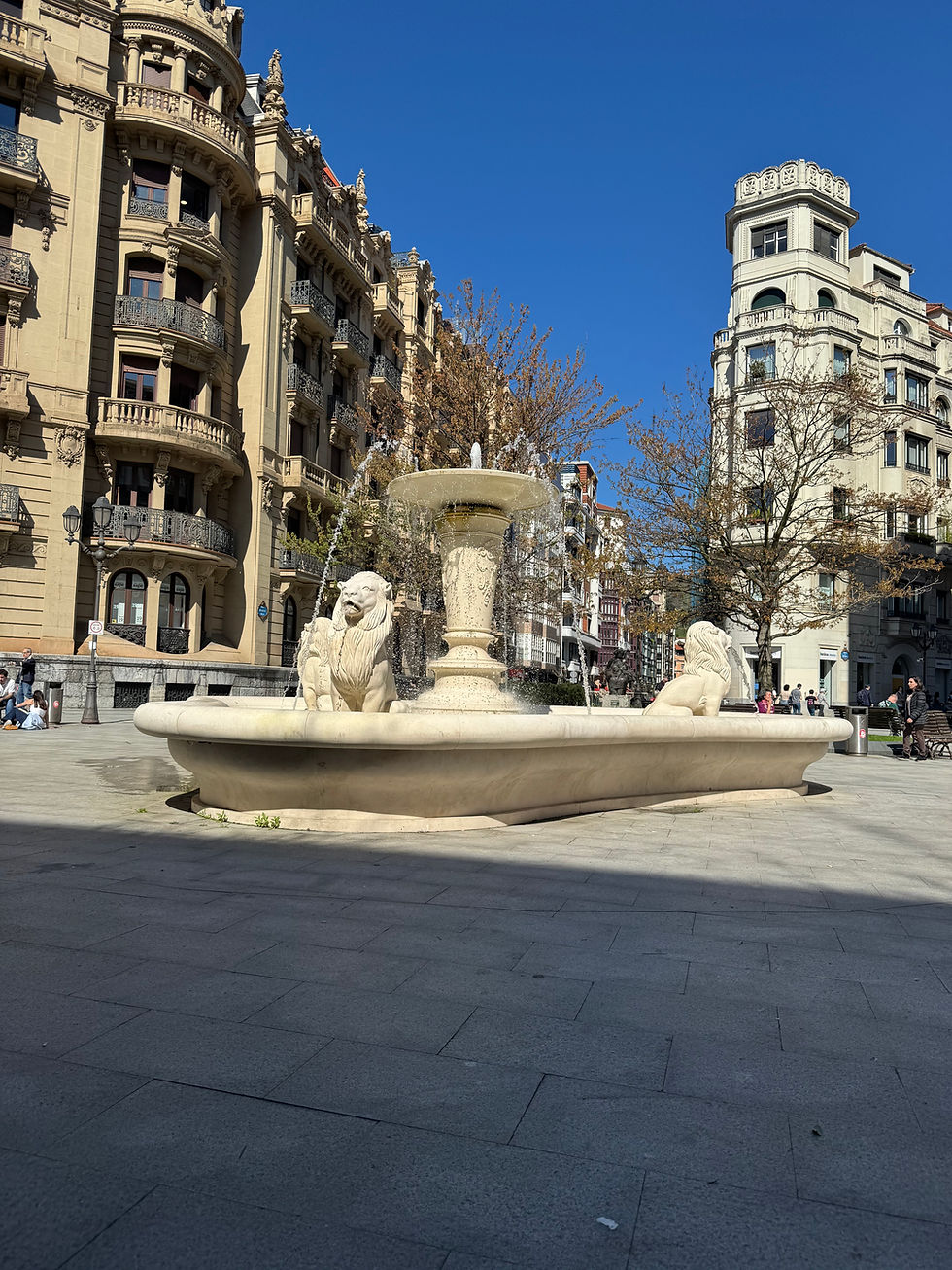
Basque country was the scene of horrific fighting during the Spanish Civil War between 1936 and 1939. Much of Spain’s mining and industry is in the Basque region, making it an area of strategic importance. On one side, the Republicans were supporters of the socialist democracy (the Second Republic) that ruled over Spain during much of the 1930s. They were opposed by the Loyalists who were led by General Franco, and supported by the Spanish Armed Forces, the upper classes and the Catholic clergy. Naval and army officers incited an insurrection in the Canary Islands and Spanish Morocco in 1936, which quickly spread to the mainland.
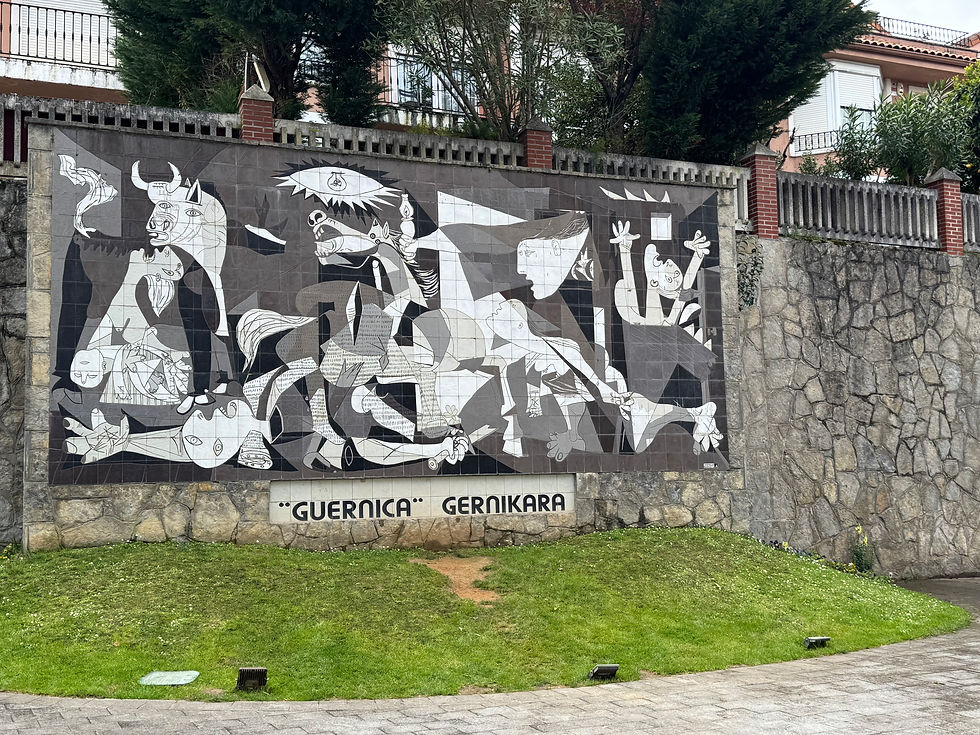
The small Basque village of Guernica gained international notoriety in April of 1937 when it was firebombed by German and Italian planes in a foreshadowing of the urban bombing campaigns of World War II. Franco drew support, weapons, and technical advisors from Nazi Germany and Fascist Italy (the Republicans were similarly supported by the Soviet Union). The Basques backed the Republicans, recognizing the threat Franco posed to their culture. The outrage at the bombing of a small village during a market day was so widespread that international volunteers from all corners of the world (especially Britain, France, Mexico, and the United States) began coming to Spain to fight for the Republic. Ernest Hemingway sent dispatches from the front and became one of the Republicans’ biggest cheerleaders. George Orwell volunteered to fight for the Republicans and wrote one of his most famous works, Homage to Catalonia while he was there. The most recognized celebrity, however, to come forth in protest at the outrage perpetrated in Guernica was Pablo Picasso, himself a Spaniard. One of his masterpieces, the mural Guernica, depicts the chaos and carnage experienced by the people of the town on that fateful day. I visited Guernica on a cloudy day this past winter and walked its beautiful, peaceful streets, wondering how such a small town could become the fulcrum of an event that held the world’s rapt attention in the spring of 1937. A museum with a replica of Picasso’s painting explains the historical background to the bombing. The photos on display attest to the utter devastation wrought by the Luftwaffe.


In response to Franco’s repression, an armed movement known as ETA formed in the 1950s to combat Spanish control of the region. A deadly campaign of terrorism was carried out for decades (including in the southern Basque region of France) until the group was formally disbanded in 2018.
On a more positive note, the Basque country of northern Spain is today known as one of the culinary epicenters on the planet, where Michelin-star restaurants sit alongside modest wine bars that serve small portions of delicacies known in Spain as tapas and in Basque country as pintxos. Just south of Basque country is the region known as Rioja, where some of the finest wines in the world are produced. Spending several days driving through the beautiful region was magical for the eyes and delectable for the taste buds.
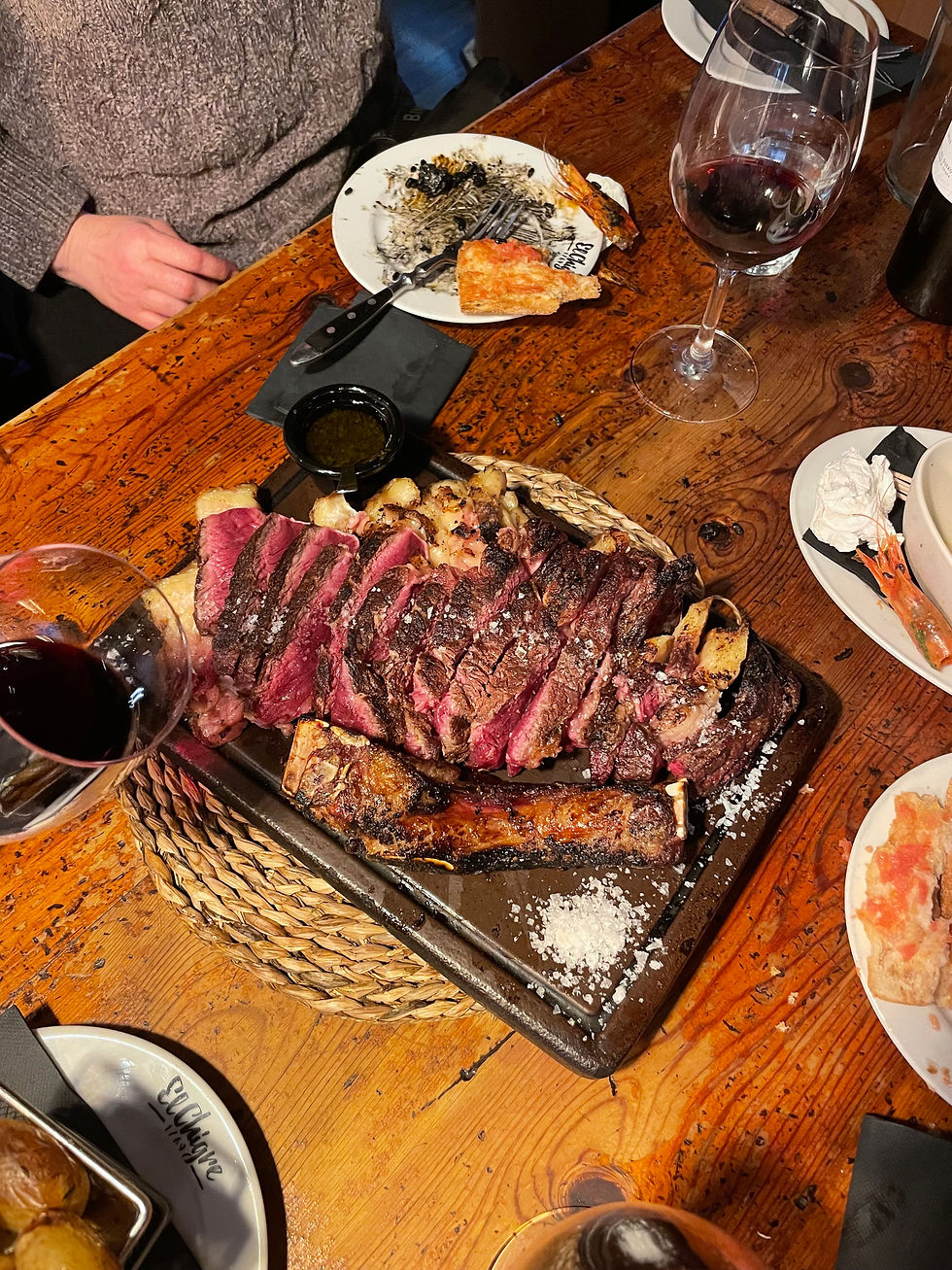

I highly recommend San Sebastian (Donostia in Basque) and Bilbao the principal cities of Spanish Basque country, which is known for its craggy coastline, and beautiful misty mountains. The area reminded me of the western Scottish coastline. We also visited several smaller towns (including Guernica) and I was amazed at the resiliency and determination of the Basque people in guarding their civilization and their language. My forthcoming novel, Thou Mayest, features a colorful Basque man named Madariaga. The Basque contribution to the world culinary scene alone almost guarantees that the people and their vibrant culture will not disappear. But most of all, it is the cohesion of the people, born from eternal resistance to outside influences, that have kept the Basque nation intact and thriving.

#austinauthor #jodyferguson #basquecountry #bilbao #sansebastián #picasso #guernica


Comments